











Last week, I spent the Senate’s July state work period on the ground in the Good Life listening to my fellow Nebraskans and learning new ways I can advocate for them in Washington. Hearing folks’ stories, concerns, and ideas enhance my legislative plan for how to boost quality of life, create jobs, lower energy prices, and honor our country through art and community involvement. While in Lincoln, I toured Southeast Community College’s new Welding Technology Center, which just opened last August. This 100,000 square-foot facility features 196 state-of-the-art welding bays, making it the nation’s largest welding training center. President Illich then showed me the college’s health sciences building, a four-story hospital, lab, and learning environment where healthcare students train for the workforce. I was so impressed by SCC’s commitment to addressing Nebraska’s skilled workforce shortage and their partnerships with government and industry leaders.
Next, I stopped in Davey to visit Otte Oil and Propane. During the visit, I learned that Nebraska has more than 54,000 homes primarily heated by propane gas. Fuel from Otte Oil and Propane also supports agricultural, commercial, and transportation uses across Nebraska. I appreciated the chance to get a firsthand look at propane operations and to better understand the role propane plays in powering Nebraskans’ daily lives.
I later visited Restore A Muscle Car, touring their 40,000-square-foot restoration and parts facility, including the showroom, assembly area, body shop, and storage building. We talked about the importance of investing in workforce development and the growing need for skilled trades technicians — a conversation that reinforced why I’ve long advocated for expanding vocational education and apprenticeship partnerships across Nebraska and our nation.
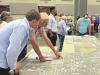
To round out the week with celebrations for America’s 250th birthday, I spoke at events in York and Seward marking the 50th anniversary of the I-80 Sculpture Project. Fifty years ago, leaders from the federal government, the State of Nebraska, local communities, artists, and private supporters came together with a bold vision. They recognized that, in addition to helping people get where they need to go, our interstate system could also serve as a gateway to culture, creativity, and discovery.
For 50 years now, these sculptures along the interstate have shown how public investment and private support can work hand in hand to strengthen tourism, enrich communities, and create landmarks that showcase our state’s identity.
For me, this rededication ceremony was personal. My dad, Jerry Strobel, served as director of the Nebraska Department of Roads. Before serving as director, he held various roles within the department, and he supported this sculpture project in the 70s. Though he was an engineer and builder of roads and bridges, he also understood the importance of enriching our communities and our state through art.
Looking back, it’s remarkable to see how this idea has endured for half a century and become such an important part of Nebraska’s cultural landscape. Thanks to the efforts of the Nebraska Arts Council, a new generation now has the chance to learn about these iconic works. Next week, I return to Washington to finish official business for the month of July. Then, I look forward to traveling across Nebraska during the August state work period to meet with even more small business owners, local officials, producers, and more.
Thank you for participating in the democratic process. I look forward to visiting again with you next week.